You are currently viewing How AI and Automation Are Redefining Marketing Workflows
Artificial intelligence Machine Learning Business Internet Technology Concept. hologram digital chatbot, application, conversation assistant, digital chatbot on virtual screen.

How AI and Automation Are Redefining Marketing Workflows

Marketing today isn’t what it was five years ago—and that’s a good thing.

Gone are the days of manually scheduling campaigns, guessing what content works, and trying to track a dozen spreadsheets to figure out ROI. The rise of AI and marketing automation has brought a seismic shift in how modern marketers work.

Workflows that once took days now happen in seconds. Personalization that once required massive teams is now scalable with smart algorithms. And insights that once sat in silos are now instantly available, visual, and actionable.

We’re entering an era where the manual is quickly being replaced by the magical.

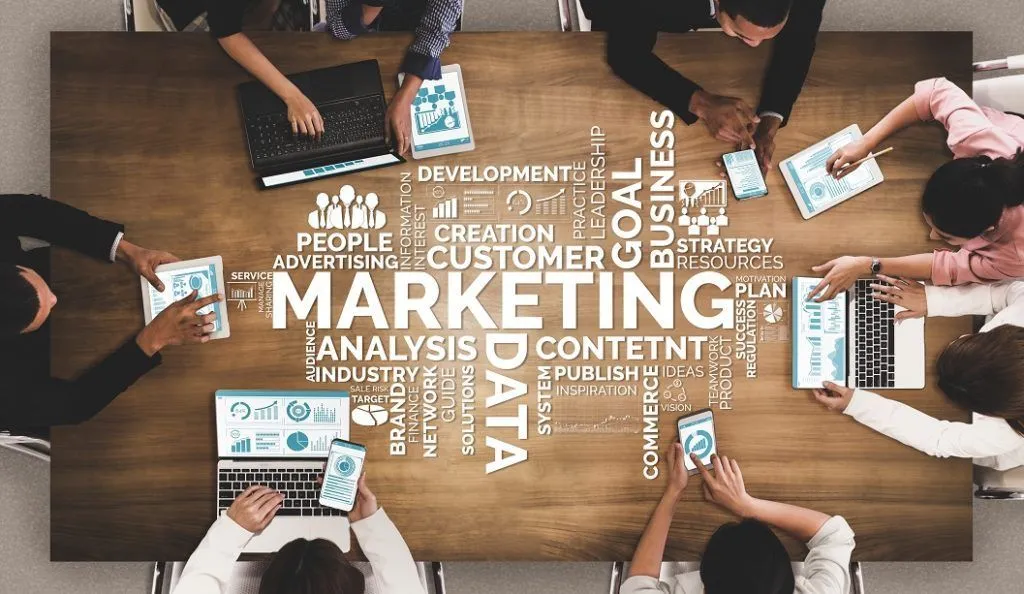
Marketing

The Evolution of Marketing Workflows

Marketing used to be labor-intensive. Teams spent hours writing emails, scheduling social posts, analyzing basic data, and repeating processes that could only scale through manpower.

But the introduction of marketing automation platforms—combined with AI-powered tools—has restructured how we approach daily tasks.

Today, marketers can:

  • Auto-segment audiences based on real-time behavior

  • Generate ad creatives and landing page content in minutes

  • Analyze campaign performance with predictive insights

  • Personalize entire buyer journeys at scale

  • Trigger omnichannel campaigns based on user intent

These aren’t future ideas. They’re happening now.

How AI Is Shaping the New Marketing Playbook

AI isn’t just a tool—it’s becoming the strategist behind marketing.

Instead of simply executing tasks, AI is helping marketers make smarter decisions, faster.

📊 Data Interpretation & Predictive Analytics

AI tools are analyzing patterns across millions of data points to predict:

  • Which leads are most likely to convert

  • The best time to send emails

  • What content topics will perform best

  • Which channels drive the most engagement

This kind of predictive marketing gives brands a major edge in performance and personalization.

AI-Powered Content Creation

Copywriting, once entirely manual, is now supported by tools like ChatGPT, Jasper, Copy.ai, and more. These platforms help generate:

  • Email sequences

  • Blog outlines

  • Social captions

  • Ad copy

  • Video scripts

While human creativity still leads, AI speeds up ideation, testing, and even A/B variation generation—saving time and increasing output.

Hyper-Personalization at Scale

AI helps marketers move beyond “Hi {FirstName}” personalization. Based on browsing data, purchase behavior, location, and even sentiment, brands can dynamically tailor:

  • Product recommendations

  • Email sequences

  • Dynamic website content

  • Retargeting ads

This creates a seamless experience across every touchpoint—and that’s exactly what today’s buyers expect.

The Rise of No-Code Marketing Automation

Another shift in marketing workflows is the rise of no-code tools. Platforms like Zapier, Make (formerly Integromat), Webflow, and even Canva are empowering marketers to build, automate, and launch campaigns without developer support.

With a few clicks, a marketer can now:

  • Connect lead forms to email lists

  • Set up real-time Slack notifications for high-intent actions

  • Automatically populate CRM dashboards

  • Launch multichannel campaigns across email, social, and SMS

This speeds up execution dramatically and breaks down barriers between departments.

AI + Human Creativity = The Winning Formula

While AI is doing more heavy lifting, one thing remains true: human creativity still drives connection.

AI can generate variations, analyze results, and automate processes—but the emotional resonance, brand voice, and storytelling? That’s still a human job.

The smartest marketers are blending both:

  • Letting AI handle the “how”

  • While focusing their energy on the “why”

This shift in mindset is what makes a marketing team faster, sharper, and far more efficient.

What’s Next? A Glimpse into Tomorrow’s Marketing Stack

We’re already seeing tools like:

  • AI video generators

  • Voice cloning for brand messages

  • Predictive lead scoring tied to behavioral intent

  • Generative design for instant creative testing

  • Autonomous agents to manage campaigns with minimal input

As these tools become more integrated, marketing will become less about process—and more about precision.

It’s Time to Embrace the Shift

Marketing isn’t about working harder anymore—it’s about working smarter, faster, and more intuitively.

AI and automation are no longer “nice to have” tools. They’re essential parts of the modern workflow. They free up time, reduce guesswork, and open the door to more impactful, meaningful campaigns.

If your team is still stuck in manual mode, it’s time to evolve.

Because in today’s landscape, manual is slow. Magical wins.

Leave a Reply